Showing posts with label Voyagers Jules Verne. Show all posts

Wednesday, 15 September 2010

A Year of Just Deserts


In February we were in the Namib Desert in Namibia. In September we were in the Sahara Desert in Tunisia. Above is a picture of the prickly pears growing around the Roman City of Dougga.


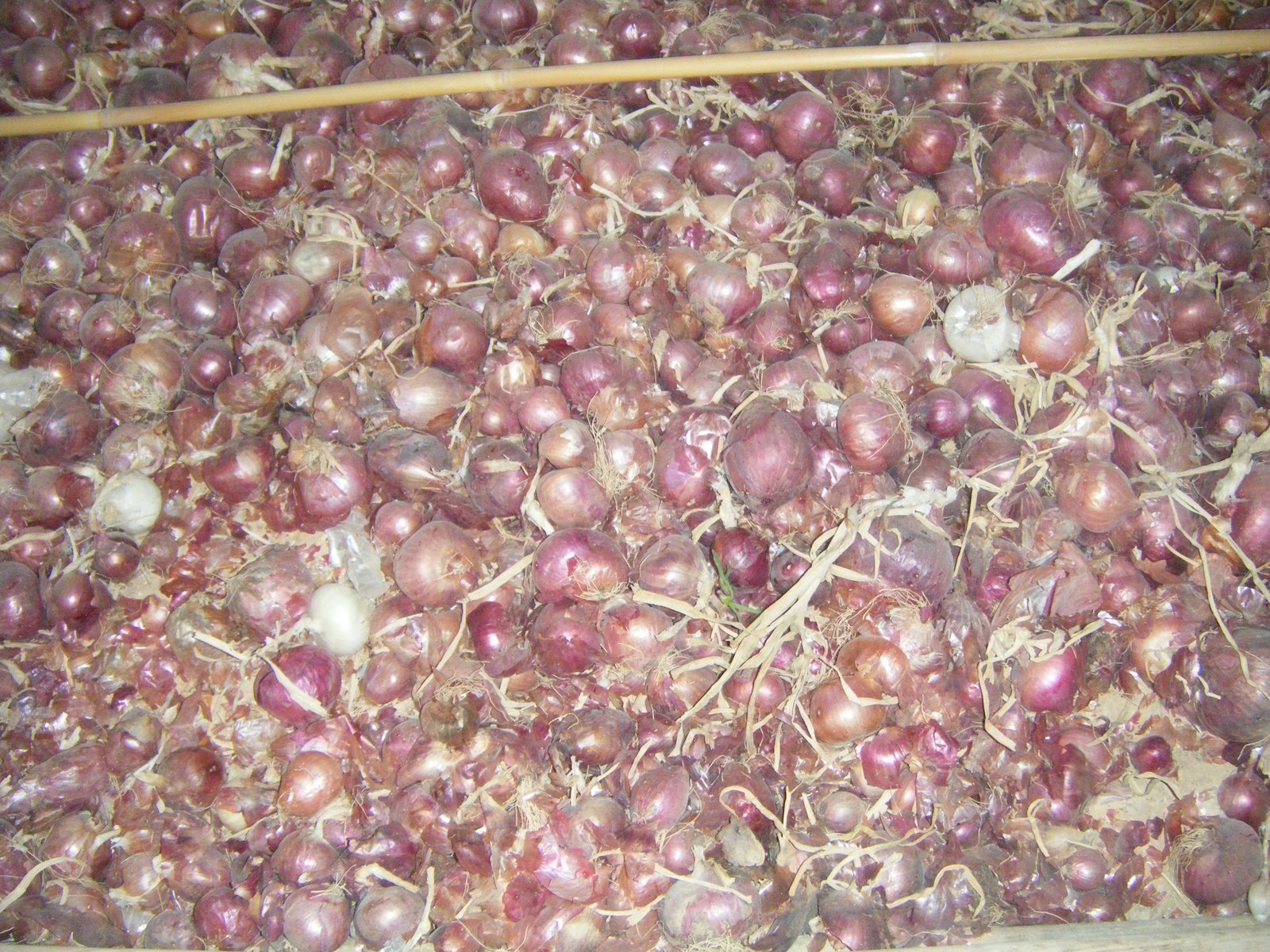
Above is a picture of chillis drying out in a cave dwelling in the troglodyte village of Matmata. People have been living in thse caves for more than two thousand years. The lady of the cave gave us sweet mint tea and her own flat bread smothered with honey and olive oil. Below is a picture of her onions drying in the baking hot sun.


Date palms protected from any rain with yellow plastic as they ripen ready for cropping in October and our Christmas 'Eat Me' boxes of dates.

Only 25% of visitors to Tunisia visit the Roman cities, Carthage, museums, medinas, Mosques, monasteries, the salt lakes and the many ancient sites.
Posted by Picasa

Saturday, 24 July 2010

A Swan in Aswan


Half an hour after disembarking from the MS Prince Abbas after our week long cruise on Lake Nasser we were waiting with our luggage on the East Bank of the River Nile in Aswan as we watched the Pharoanic Barge make its way across the river from Elephantine Island to transport us back to our home for a further week-The Hotel Oberoi situated on this palm covered island in the middle of the Nile. Nothing had prepared us for the beauty we were about to experience. This stretch of the Nile between the city of Aswan, the Old Dam and the High Dam and Lake Nasser is scattered with islands. Ancient Aswan was originally sited on Elephantine Island as it could be easily defended against invaders from any direction. That ancient city has long disappeared and Elephantine Island can only be reached by the boats and feluccas that freely taxi visitors to and fro, day and night.

The ancient city of Aswan was once the largest trading centre for Upper Egypt exchanging goods from equatorial Africa and the Mediterranean. Aswan lies on the first cataract of the Nile which acted as a natural insurmountable barrier for river traffic as the bubbling waterfalls, rocks and torrents were impossible for boats to navigate. South of Aswan goods had to be carried by caravan across the barren Nubian Desert. However, the building of the Aswan Dam in the 1960s changed everything. Damming the Nile and diverting the Nile flood waters into the artificial Lake Nasser has now established the pretty city of Aswan as the main river port for river cruises to Luxor and on the other side of the magnificent Aswan Dam, the dock for cruises over Lake Nasser.

The Hotel Oberoi is the only hotel on the island set in beautiful gardens with swimming pools, poolside bars and restaurant and all the bedrooms with balconies trailing with hibiscus and panoramic views over the River Nile and Aswan. The most striking feature of the Hotel Oberoi is the twelve story tower that has a 360 degree view through h
uge plate glass windows where visitors can sit and have a drink or a light meal. Our first view from the top of the tower of an Aswan sunset over the West Bank of the Nile was unforgettable as the sun sank, rapidly sliding behind the desert, while on the West Bank in the City of Aswan the lights twinkled on the Mosques.

We mused as to how the name Elephantine Island came about? Looking south down the Nile from the tower we could see we were surrounded by large grey rocks and they all looked like elephants rising out of the water. Or was this romantic thinking on our part and the name Elephantine Island was because of the ancient trade in ivory from Upper Nubia-now modern Sudan? Perhaps the name is a bit of both eh?

The intention was to purely relax, read and write and laze about by the pool in this very comfortable hotel and the gorgeous sunshine but there were far too many things to see in Aswan. However, the very nature of a cruise means the visitor is almost over protected from the cut and thrust of every day life in an Egyptian city as any excursions from the ship are done in a group and with the Egyptian Tour Manager. We were soon to discover how protected we had been. Woken by the call to the Mosque at dawn and then having strong coffee sitting on our balcony and watching the sun rise over Aswan, after a delicious breakfast we caught the Pharoanic Barge across the river to the Aswan Corniche along the banks of the Nile. We had only walked a few yards along the Corniche when the hassle began. It is intolerable. Caleche drivers, taxi drivers, self appointed unofficial tour guides, Felucca boatmen and children descended upon us as if from nowhere offering us rides, discounts and artefacts. I understand the poverty in Egypt and the need to take every opportunity to earn money from the tourist but this persistent pestering has the opposite effect on me. I just want them all to go away as I will spend my money as and when I want and certainly not a
s a result of this relentless hassling.

We decided to take a Caleche ride-horse and carriage- along the busy Corniche to the famous Old Cataract Hotel, where Agatha Christie stayed, to have coffee on their illustrious terraces overlooking the Nile. I insisted we chose a Caleche with the healthiest looking horse but after just a few yards I realised the horse was tired. My heart sank when the carriage driver cheerfully told us she had just had a baby. Fortunately, the Old Cataract Hotel was only a short distance away and after the usual haggling over what was originally an agreed fare, and then the driver asking for more money to feed the horse leaving me muttering that next time I'd buy my own oats, we were sitting on the terrace admiring the beauty of the Nile. Drawn to the water we chose to take a Felucca sail boat ride back to Elephantine Island and our hotel, stopping first at an archaeological area on the Island where excavation began in 1969 to uncover the ancient settlements.

The fare was agreed with the Felucca boatman by the hour to include one hour's waiting time as we explored the archaeological area and visited the small Aswan Museum. It was so very exhilarating sailing along as the gentle breeze caught the white sails of the Felucca and we leisurely basked in the hot sunshine. The Nile was a hive of activity with boats of all shapes and sizes going about their daily business. Our boatman expertly used the wind to tack to and fro around the massive grey 'elephant' rocks that loomed out of the river like giant statues. Once again we were caught off our guard as we bought our entrance tickets. From nowhere an unofficial guide attached himself to us and wouldn't go away. We wanted to quietly walk around the excavations referring to our guide book when necessary and enjoying the peace and tranquillity as we imagined the Romans who had once lived here, imagining the Cemetery for the Sacred Rams where the blood stains co
uld still be seen and gaze at the carvings in the Temple of Khnum.

We were patient with him until he got rather excited about a carving of a Pharaoh sporting an enormous black penis. He then suggested his penis was bigger than the Pharaoh's and how did Morty's compare. That was it for me! Off with him! Nevertheless, he insisted on payment not only for his services but for his seven children. From this moment on we decided to make use of organised trips to see the rest of the delights Aswan has to offer. So! They are more expensive than doing it yourself, but at least on an organised tour with an official English speaking Egyptian guide you get the freedom to concentrate on what you wanted to see and not forever doing deals.

We were a bit 'Templed-Out' by now, as anybody who has ever been to Egypt would understand, so we chose a visit by Felucca to Kitchener's Island, also known as the 'Island of Plants' to be guided by an expert of flora, fauna and wild-life and to follow this with a motor boat trip upstream to the now peaceful First Cataract and through a wild-life sanctuary. General Kitchener was the British Consul General in Egypt in 1910 and he created this luxuriously planted island. After seeing many dusty ancient ruins, the Nubian Desert and large expanses of lake this was a delightful contrast. Kitchener planted many varieties of plants here that grow in our own gardens in the UK so it was strange to see waist high Bizzy Lizzies and huge Lupins alongside lemon and date trees.

The motor boat ride up through the First Cataract is awesome. Huge granite boulders that once caused the waters to roar over them in plumes of spray now stand exposed in the reduced waters of the Nile. The boat wove its way through these immense boulders and we saw herons, kingfishers, terns, kites and other abundant birdlife plus water buffalo and mules. It was eerily silent and the birds seemed to be putting on a show for us as
they appeared to order as if by magic for our expert guide. The final part of this tour was to spend an hour in a genuine Nubian village on the West Bank. The people of the village opened their homes for us, showed us baby crocodiles in tanks, scorpions in jars and played with snakes. They also gave us mint tea and we bought two Egyptian cotton shirts for two pounds sterling each. The Nubians are a very elegant and good looking people with a quiet charm and I felt sad that many of the older Nubians in the village would have been forced to leave their homes in the 1960s when their villages were drowned by the forming of Lake Nasser.

A must to see if ever the reader is in Aswan are the temples of Philae. The island that the temples of Philae originally stood on for three thousand years were partially flooded by the construction of the first Aswan Dam in 1902 and completely submerged by the building of the new High Dam. Consequently, the ruins were dismantled and rebuilt by UNESCO on another island one mile south of the Aswan Dam on the stretch of the Nile between the two dams. A short coach ride and we stood in the afternoon heat watching a scene of utter madness as hundreds of dilapidated old motor boats with engines that had seen better days fought for space at the quayside so they could moor up and let the many tour groups board to be taken to the Island Of Philae. By now we expected our appetite for ancient temples to have been sated but as the boat approached the temples we were very impressed with the magnificence of the obelisks and enjoyed a couple of hours quietly wandering around. Ready for our hotel room by now and a drink before dinner we still had one more visit to the granite quarry to see the unfinished obelisk. Mmmm! That's what I thought too as quarries do nothing for me so that Egyptian beer back at the hotel was calling me.

A little more to tell here about Egyptian hospitality and the Hotel Oberoi in Aswan-throughout our stay both on the ship and in the hotel we were amused at the bed-towel art that greeted us every night when we retired to our room. The room service made exotic animals and birds from white towels using rose petals and hibiscus flowers as decoration and laid them on the bed. This was apart from the very grim crocodile on our cabin floor wearing dark glasses and a wide open mouth held in position by the television remote control. It is the custom on a cruise to put money in the envelopes provided for gratuities. The last night on the ship we were greeted by towel art of a man in the bed wearing Morty's jumper, dark glasses and holding the tipping envelopes in its hands. The hotel was a little more romantic as they created graceful swans and rose-strewn hearts to surprise us every night. We were also happy that there was no need to 'dress-up' on either the ship or the hotel for the evenings. We prefer the casual approach as we are on holiday and pressure of any kind is unwanted.

Egyptian wine leaves much to be desired. The choice of red, white or rose is limited and some likened it to a chemical cleaner, but being a brave little soldier I soon adjusted my palate to the white wine and got rather fond of it. I've had worse in English pubs! The only beer available was a tinned variety of Fosters which was refreshing enough when required. There was a fridge in our room both on the boat and in the hotel so there is a choice to drink any duty-free in the room. The meals in our hotel were excellent. Buffet style but a continual stream of freshly cooked food was brought from the kitchens to the endless buffet tables. It was possible to eat European as well as more Egyptian style food and vegetarians were very well provided for. The vegetables were grown in the hotel gardens and I wanted to hug the pastry chef as the deserts were wonderful. There was a wide variety of good breads and I had cinnamon pancakes with honey and thick yoghurt with plump raisins for breakfast every morning as I never have that at home.

Not to be deterred by the hassle from the Corniche we decided to take a Caleche ride through the Souk or market. Avoiding eye contact I chose a horse drawn Caleche and made sure the horse had some meat on it and didn't look old and worn out. Better luck this time, as we ripped along the promenade at a fair pace with a comparatively happy horse and the driver took us on a tour of Aswan. It is a small city and it was good to see schools, childrens' play parks, well maintained Mosques, Coptic Churches, local shops and the general hustle and bustle of every day life. The Souk in Aswan is recognised as being the best in Egypt with quite wide streets and a huge variety of goods on sale. Emboldened by the lack of hassling we paid our driver and walked the mile or so back through the Souk to get the full atmosphere of the shops and peddlers selling their goods. So many spices, materials, fruits, leather, meat, rugs and vegetables for sale and thankfully we were left alone and no more harangued than in a typical London street-market.

Aswan is very proud of their new Nubia Museum opened in 1997, and rightly so. It is situated opposite the Old Cataract hotel and stands in its own vast gardens with water features, statues, palm trees and walkways. It is spread over several floors and displays very important objects from throughout Nubian history. As with many museums there is too much to take in on one visit alone so rather than get culture weariness we made two trips and wandered around at our leisure. I understand that the Cairo Museum is relocating and building a new museum to house its treasures. If it is half as wonderful as the Nubian Museum in Aswan then we are all in for a treat as that makes returning to Cairo a must in the future.

There were so many other places to visit in Aswan and the surrounding areas but none of them are compulsory. You don't have to be active. There are some who would prefer to take advantage of the beautiful weather and stay by the pool to swim, drink, eat, sleep, visit the gym, have beauty treatments and massage and wallow in the luxury. During the week we did a bit of both and as we flew from Aswan International Airport on our return flight to Gatwick we both agreed that this, our second visit to Egypt, was probably our best holiday yet and certainly not our last to the Land of the Pharaohs.


Posted by Picasa

Sunday, 21 February 2010

Trains and Boats and Planes


We've just returned from our wonderful journey travelling through Namibia. Three thousand miles, not including the Virgin Flight from Heathrow and back, on planes and boats and trains and of course a coach. Namibia is a huge country, the size of Germany and France joined together and a population of around two million people. So I thought I'd begin with the obvious. Me in the Namib desert watching several very fit Safari Guides getting all the doings out of their 4x4 to set up a table on top of a sand dune ready to serve us very large Gin and Tonics in icy cold pewter goblets and a buffet as we watched the magnificent sunset over the beautiful desert.

It has to be food first. Mostly we ate animals we'd seen in the bush but this meal was all fish. We stayed overnight in Luderitz at the Nest Hotel on Namibia's Atlantic coast, named The Skeleton Coast because as the storms blew ships onto the rocks and the sailors thought they'd reached safety on land, they soon discovered there was nothing but desert ahead of them and they died in the intense heat and starved of water. Their skeletons are still being found.


The above is a mixed seafood main course for one person. If we'd known how huge it was going to be we'd have ordered two between the four of us and not one each.

We stayed in five star hotels, desert lodges, bush rest camps and I sat on a scorpion. We journeyed for four days through the desert on The Namibian Desert Express Train. It never went faster than forty miles an hour. The bathrooms were very tiny. I was horrified when I sat on the lavvy and discovered a full length mirror facing me on the closed door. It was almost touching my nose so I multi-tasked and plucked my eyebrows at the same time.

Namibia is a brilliant destination. More to come.
Posted by Picasa

Monday, 26 October 2009

Last Waltz in Warsaw


Bright flame against dark bleak boots
Rests a high-heeled red wedge shoe
Dense crowd files past in silence as red shoe comes into view    

Blood red shoe belonged to
a young girl; who was she?
Scarlet shoe, evocative of youth, vitality
                                                                                                        
Was the wearer dancing
on the eve before the train?
Realise as she saw steel gates she'd never dance again?

Did she think it was a shower to cleanse
For personal ablution
Know Hitler's evil Nazis sought the - 'Final Solution?'

Red wedge shoe amongst dull black ones
Grabs fraught crowd's imagination
Staring through plate glass at lost, murdered generation

Survivors helped by loved ones
Survey grim gruesome scene
Memories, never gone, sweet lives that might have been

Sad, silent crowds, eyes brimming
Leave wood huts that house decay
The sun is out, but it feels cold, no words for them to say

They gassed them over there, guide tells
Fire burned all evidence
Arriving every day by train, imprisoned by wired fence

Couldn't burn them fast enough
Cruel SS dug deep pits
Mass inhumane cremation - no choices - just submit

I own some high heeled red wedge shoes
I wear them when I dance
Young owner of these red wedge shoes never had the chance

 To grow old; be free; born just like me
In a democratic nation
Imprisoned, murdered, victims of vile mass extermination

Day trippers board their tour bus
Goodbye Camp Birkenau
Silent, stunned, shocked - as one ask, 'Could this happen now?'


Posted by Picasa

Friday, 23 October 2009

Tsars In Their Eyes


I’m writing this with a large shot of Russian Lemon Vodka and a dish of salted pretzels by my side as I relive my experience of our ten day trip to discover Russia by river. After two days spent on board in St Petersburg our river cruise was to take to Moscow for two days. The distance between the two cities by water is 1400 kilometre (840 mile) made up of rivers, lakes, reservoirs and canals. We were to travel on a German boat carrying 260 passengers, hence the 231 fellow Germans on board and 29 passengers from the UK, including myself and Morty. The summers in Russia are hot and sometimes humid, the winters are famously cold, but we were travelling in the first week of September, the Russian autumn, before the snow falls begin, usually in October.

How would we view the Russia we were to see after the collapse of the Soviet Union in the early 1990s? How have the Russian people dealt with this freedom of speech, freedom of religion, freedom of trade? How has a country ruled by the Tsars until the 1917 Revolution and then ruled by strong Communist regimes led by such as Lenin and Stalin managed these extreme changes? We were about to gain a little more knowledge and understanding about the Russia of the past and the present on our brief but illuminating journey through a relatively small area of this vast country.

I need a sip of vodka here when I recall the very old Aeroflot aircraft that was to fly us from Gatwick to St Petersburg. I promise you the tyres were bald! However the scheduled economy flight was comfortable arriving after less than four hours at St Petersburg, and once through immigration then transported by coach to St Petersburg’s River Port on the river Neva, where we were soon happily unpacking our gear and ready to explore. Now then, we’re not Group Tour kinda people but, mainly because of my cowardice going to seemingly dangerous destinations, we opted for the organised City tour of St Petersburg, once Petrograd, then Leningrad and now St Petersburg once more.


Peter the Great built the city of St Petersburg 300 years ago as a port for his navy and as a major trade route to Russia’s inland waterways. As with many of the beautiful buildings and colossal engineering achievements we were to see in Russia they were built using forced labour with a huge cost to human lives. This beautiful city was built on marshland so amazingly it consists of 42 separate islands connected by 70 canals and rivers all to be crossed by around 300 bridges. Does an image of Amsterdam and Venice enter your imaginations? We had just two days before we sailed so do I need to tell you how little we were able to see of the 200 palaces, the 50 museums, the 20 theatres, 60 stadiums and 4500 libraries. We benefited from the fact that the city smartened itself up for it’s 300th anniversary in May of this year as royalty and world leaders flocked here to pay homage so all the buildings in the city centre and along the Neva were freshly painted and all the onion domes were freshly gold leafed.

The Hermitage museum was top of our list for our second day but having read that to spend a few moments looking at each item would take nine years we felt slightly fazed. We managed a few hours and with spinning heads saw more art by Picasso, Matisse, Renoir, Gauguin and Monet than I have seen in my life as well as the bejewelled state rooms that were once the Home of Tsar Peter and Catherine the Great.

Later, we broke away from our group to wander about on our own. We strolled down Nevsky Prospekt, the main street where the rich Russians rub shoulders with the poor Russians as this wide street is full of fashionable shops, souvenir pedlars, artists and smart restaurants and the homeless. We sat in a pavement Bistro (Russian for fast-service) by an ornate canal with a view of a church called Church of the Spilled Blood where Alexander 11 was assassinated in 1881, and ate a late lunch of Chic ken Kiev and drank Russian beer.

Tired on this our first day, we took a half hour taxi ride back to the River Port and our boat. The St Petersburg river port is in a very down at heel area, in stark contrast to the dripping wealth in the city centre. Grim high rise blocks of neglected flats, pot holes in the roads and pavements, broken windows, unkempt small parks, beggars, drunks, lots of broken down cars and yet there were lively street kiosks with entrepreneurs selling everything from root vegetables to tobacco and CDs. We know we have to return to St Petersburg for a city break as our appetite is whetted, staying in one of the many luxurious hotels being built and armed with a city dedicated guide book, to do this fairy tale city justice.


The young women of St Petersburg are extraordinarily beautiful, slender and dress in the height of fashion. It was no surprise when reading the English printed edition of the St Petersburg Times to see four full pages of personal adverts from Russian women looking for Western husbands, an equal amount of adverts from Russian Marriage Agencies plus personal adverts from Western men searching for Russian brides. Considering the average wage for a surgeon, a university lecturer or a cleaner is $30 a week then it begins to make economic sense for the Russian women and a different kind of sense for the Western male. Need I say more?

Another surprise was the currency issue. Aware that roubles are unobtainable in the UK the bank advised us to take currency in the form of US Dollars- not traveller’s cheques or sterling. Imagine our surprise when we saw everything from the most expensive boutiques to remote villages on the inland river banks pricing their goods equally in US dollars and Euros with Roubles a very poor third. On the boat itself when we paid a bar bill with US Dollars we were given any change in Euros. Consequently, the $150 we innocently changed to Roubles at an expensive percentage on our arrival became even more expensive when we couldn’t spend them and had to change them back to US Dollars on our departure from Moscow airport at an even more exorbitant percentage. If we’d just taken Euros at least we could have returned to the UK with some convenient money to spend on our next European holiday!

The overland distance to Moscow from St Petersburg is 650 Kilometres. The river route is 1400 kilometres, so were to sail on ten separate waterways to include Europe’s largest lake, its longest river and the world’s longest man-made canal. This waterway journey was to take us five days and we had schedules stops along the way. What did we see of another kind of Russia?

It was a new experience for us as we left St Petersburg and sailed along the river Neva in the early evening only to wake in the early morning to discover were on Lake Lagoda, Europe’s largest lake. We knew it was large because we couldn’t see land to the front, to the rear or either side of us so it seemed like we were on an ocean! This confirmed for me that I never want to do an ocean cruise as I so missed the interest of the river banks, the woodlands, villages, forests and the comfort that land wasn’t very far away. Historically Lake Lagoda is known for its vital role during the 900 day Siege of Leningrad from the German blockade of 1941-1944 when vital supplies were carried across it, even when frozen solid, to the starving population as they held out against invasion. Sadly, we were warned not to drink any tap water in St Petersburg as Lake Lagoda is close to death with pollution from phosphate pollution due to lake side industry and this is where St Petersburg gets it main water supply.


Therefore it was enchanting to eat breakfast on the boat as we sailed into the beautiful River Svir the river that links Lake Lagoda to Lake Onega over a distance of 137 miles. The Svir is landscaped on both bank s by beautiful pine and fir forests with plenty of activity as we saw lumbering, log piles and men working on timber rafts. We were beginning to take to this cruising lark, sitting on the sun deck, sipping Lemon Vodka and espresso coffees. In no time at all we were sailing into Lake Onega, a lake complete with 1300 islands, surrounded by forests and we were to stop and visit one of these islands in the north of the lake (linked to the Arctic by the White Sea canal built by Stalin using forced labour) to Kizhi Island renowned for its miraculous wooden churches and a reconstructed 18th Century village. Our local guide was a little too beatific as she fervently described the meanings of the many religious icons in the churches and her halo was hurting my eyes!

Yet more icons when we stopped south of the White Lake at Goritsy for a tour of a 15th Century monastery. Goritsy is isolated yet, in readiness for future tourism, building luxury hotels and a tourism centre. Perhaps if we returned there in ten years time we may well find it completely unrecognisable as the West catches on to what could be a major resort with fishing, water sports, wildlife and a monastic retreat?


Since the fall of Communism, Russians are now free to worship again. Apparently the number of Russians returning to the Orthodox Church is extremely large. However, there is also a movement to bring back the Tsars and others who are discontented with the progress being made under the move to democracy who wants to see the return to Communism. Isn’t the Church a hard disciplined ruler? Weren’t the Tsars hard selfish rulers with no thought for their subjects? And as for Communism?

Our next waterway was the Volga Baltic canal which begins by linking Lake Onega and the River Kovya and runs for 229 miles. This was so exciting as we were lifted by remarkable locks by as much as 370 feet and dropped again sailing through yet more splendid scenery then entered the
legendary White lake, known as the Tsars Fishing Ground as government boats sailed around taxing the fisherman but not those from the monasteries as Tsars knew better than to tax God!


This gets personal now so another sip of Lemon Vodka. My grandfather was born in Russia and I have the name of his village but no amount of web research could locate it. Rybinsk Reservoir was formed by Stalin damming the Volga in 1941. In order to do this Stalin failed to inform the 700 villages and their occupants of his plans and they were given days to collect their belongings and find alternative accommodation. Wouldn’t you possibly have wondered if this was where your Granddads village may have been? Drowned in true Stalinist style? Even worse for me was that Stalin used educated political Gulag prisoners as construction workers who died at the average of one hundred a day. Suddenly I felt like a spoilt Westerner and could feel the sadness and death all around me as I viewed this feat of engineering.

The complicated network of man-made canals and rivers link the River Volga to all five of Russia’s major seas and flows about eighty miles from Moscow itself so its linked by the Moscow Canal. Again, beautiful to sail along and experiencing another series of lifting by several locks but once more built during the 1930s by Stalinist methods using Gulag prisoners who dug the canal out shovel by shovel. But I mustn’t dwell on this. We had one more stop, until we arrived at Moscow’s Northern River Passenger dock, at the town of Uglich. This industrial town has a small Kremlin, or fortress, preparing us for Moscow, and another church complete with icons where we heard the ethereal singing of a Russian choir. Morty succumbed to a famous Chaika watch made in the factory in Uglich. These are mechanical watches and our guide book advised us to buy one from a market stall as this was more likely to have been made from stolen parts and more reliable than those mad
e in the factory itself. For six pounds it’s still ticking! Animal lovers don’t read this as I bought a divine sable hat and I can’t wait for our winter ice and snow and for people to sing Lara’s Theme to me. My sable hat, when worn with my Russian Baltic amber pendant, makes me feel like A Russian Princess.

The Moscow River Port is about a half an hours drive into the city centre and smarter than St Petersburg dock, so once we’d moored up and knowing we only had two days to see the city we chose the group City Tour. At least this tour took us around the main attractions and trust me, you wouldn’t want to drive yourself. There are six lanes in and out of the city and it is chaos. The other benefit of group tours is avoiding the queues as group tickets makes admission to museums and major sites hassle free. A serious warning about pick pockets as this applies in any major city. Once again, how could this visit give us a chance to contemplate the 2500 historical and architectural monuments, 70 museums, 125 cinemas, 50 theatres, 4500 libraries, universities as well as the obvious such as the Kremlin and Red Square? The Kremlin was a stunning array of palaces, minarets, domes, battlements and towers in every shape and colour. I preferred standing outside the Kremlin rather than enter the Cathedrals and churches as by this time we were both Iconned-out but were more than happy to visit the State Armoury Chamber which was full of the wealth of the Tsars in the form of chalices, Faberge eggs, jewellery and thrones dripping with diamonds-no wonder there was a revolution!

The cobbled Red Square was as impressive as we expected, so impressive that we paid a second visit by night to see it illuminated, though Morty wanted to visit Lenin’s Tomb but sadly it was closed, and we saw the multi-coloured onion domed St Basil’s Cathedral which symbolises Russia -better than the postcards! We did stroll round GUM, Russia’s largest shopping centre. GUM is
like a palace in itself with fountains, waterways, and glass roof, selling the most expensive International designer labels I’ve ever seen under one roof, in contrast to the empty shelves in Soviet times.


I wonder who are buying the luxurious million dollar apartments springing up throughout the city considering the average wage. I have never seen so many casinos in one street as I did driving through Moscow. Who are the people driving the Ferraris and the Lamborghinis? Are they UK football club owners?

Limited time meant we had to make a choice between using the famous Metro at night or the Bolshoi ballet. In fact, we have vowed to return to Moscow as well for a City Break, stay in the centre and take in more. After all, we didn’t even manage a visit to Gorky Park! The Metro, by night to avoid the commuters, was an eye opener. One token buys unlimited distance within the network. The trains travel at over 80mph and there is one arriving every 55 seconds. The doors remain open for exactly one minute for boarding and getting off with an automatic announcement saying they are closing-and then they do. I was scared stiff in case I didn’t get off in time! Of course it is the beauty of the stations that enthral. They are like palaces and museums with chandeliers, mosaics, original art, stained glass, statues and sculptures and they are all different as we discovered as we got on and off at different stations.

Our ten day visit was over and in contrast to the rickety old Aeroflot plane we arrived in our return flight to Heathrow was in a very modern Aeroflot airbus with halfway decent in-flight food and not a bald tyre in sight.

Did we enjoy Russia? Do we recommend you to visit? Yes, whatever way you choose, be it a City Break to St Petersburg or Moscow or a leisurely cruise with a city break at each end you won’t be disappointed -I promise.

Posted by Picasa

Monday, 28 September 2009

Sailing Across The Desert

The Nubians call it 'The Nubian Sea' while the rest of Egypt named it Lake Nasser. Not surprising the Nubians call it that as in order to create the Lake in the 1960s the Nasser government penned up the Nile behind the High Dam and the dammed waters flooded the Nubian Desert area in Upper Egypt to create a 300 mile long inland sea. This meant that forty Nubian villages and towns and forty thousand Nubians had to be re-housed as their homes vanished beneath the rising waters. But it wasn't just the Nubian people who were in danger of being submerged -but many of the ancient Nubian monuments south of Aswan including the most famous and imposing 3000 year old temples and statues of Ramesees 11 at Abu Simbel.


Once the High Dam was built, an amazing feat by Soviet engineers, the Nubian Desert began to slowly fill with Nile waters, an estimated time of six years, when the Egyptian government sent out a worldwide plea for help as the lake was forming faster than at first thought and it was evident that the Temple at Abu Simbel would be swallowed up by the rising waters. An international team of around three thousand construction engineers from all over the world under the backing from UNESCO laboured for almost five years to salvage these massive ancient temples and move them just sixty five metres up a cliff block by block and rebuild them aiming to make them appear as if they had never been disturbed.

Fortunately this grand scheme raised the issue of other Nubian monuments in the desert that would clearly have been hidden by the ever rising waters of the artificial lake and so many more temples were moved to higher ground including New Kalabshka, The Kiosk of Qertassi, The Temple of Amada and many others. This was a great sacrifice made by The Nubians, as by allowing Lake Nasser to drown there homes they were also in danger of losing their identity and their culture. They were all re-housed, mainly around the
Aswan area, and the hydro-electric power provided by the High Dam has given all Egyptian citizens electricity and the future promise of irrigation in previously barren desert areas. So was this impressive feat of engineering, at an immense cost of US$40 million, really all worth it?

We arrived at Aswan International airport in the late afternoon after a five and a half hour flight from London Gatwick and blinking in the heat and the sunshine boarded a coach for the half hour journey to embark on the 5***** MS Prince Abbas for our seven night trip 'Sailing Through The Desert' This title of this Jules Verne holiday captured our imagination as we marvelled at the thought that we would be sailing on Lake Nasser yet deep down under the calm waters were the remains of a Nubian culture even more ancient than that of the Egyptians. Deserts vary in formation and it was apparent almost at once that the
Nubian Desert once consisted of high mountains because even before we set sail from Aswan there were many small islands in the area of water surrounding the moored Prince Abbas. We were to take three days cruising further South over the Lake, stopping at several ancient temples, before reaching Abu Simbel where we were to stay for two nights then on our return to Aswan we would visit more ancient monuments on the other side of the Lake.

The gradual build up to the main event, our arrival at
Abu Simbel, was in itself exciting. The scenery once we set sail was beautiful. The blue waters of Lake Nasser were set in sharp contrast to the surrounding mountainous desert on either shoreline. All the large and luxurious cabins had picture windows straight out to sea and we automatically woke early on the first morning to watch the breathtakingly exotic Egyptian sunrise over the mountains, the desert and the sea. The sun sets early and rapidly in Egypt, as we were sailing nearer and nearer to the Equator and the Sudanese border, so every evening at 5.30 pm we watched the sun luxuriously sink behind the distant horizon before a shower, fresh clothes and early drink in the bar and then dinner in the restaurant on the lower deck with the lake lapping against the windows.

There are only six boats cruising on
Lake Nasser at any one time so we experienced a wonderful feeling of peace and tranquillity. The Prince Abbas is an extremely comfortable boat with an upper deck and plunge pool, charming Nubian and Egyptian staff, first-class food and cabins larger than many hotel rooms with excellent facilities. Most importantly, there is only one sitting for all mealtimes-this point matters enormously. There are no docks along the edges of Lake Nasser so The Prince Abbas would moor up to the nearest rock and we had to walk narrow gangplanks onto rather old motorboats that took us to the shoreline and a tour round a rescued Nubian monument, all steeped in legend and history and individually beautiful.

I could feel a cowardice moment coming on as I walked the gangplank because I am scared of the sea but I was shamed into silence when I discovered that one of my fellow travelers had two hip and two knee operations and was leaping the plank with fearless abandon, although I did wonder if this is how she had broken all these bones in the first place. Security in
Egypt is very evident in the machine gunned police that accompany all tourist groups, but most of the policeman looked about fourteen and I did wonder what impact they would have in any form of terrorist attack.

Emotions were high on our third day of sailing as we expectantly waited for our dramatic arrival at
Abu Simbel at around midday. We knew the ship would draw in at the front of the Temples and as we gathered on the upper decks of the ship the loudspeakers sprang into life playing Vangelis and Abu Simbel came into view. The four colossal statues of Ramesees 11 guard the entrance to the temple and can be seen some distance from the shore as they appear to rise from the sand, each set on a pedestal and each sixty five feet high. As the ship neared these magnificent buildings it was impossible not to be moved by their sheer size, the fact they had originally been cut into the rock three thousand years ago and had been built in the middle of nowhere. It was also intriguing to recall that Abu Simbel had nearly become a legend as it had been almost entirely buried by sand for many centuries and was rediscovered by a Swiss historian in 1813. As we drew closer a second smaller temple came into view dedicated by the Pharaoh Ramesees to his beloved wife Nefertari.

Our ship moored to the side of Abu Simbel and after an Egyptian barbeque lunch on deck with tahini, olives, good bread, kebabs, salads, fruit and exquisite pastries and desserts followed by Turkish coffee we were eager to disembark and explore the magic and the history of this imposing and remarkable ancient Nubian ruin. At this point I have to mention tourism, after all I am one but I never expected this. There is an airport at Abu Simbel and planes were arriving very frequently, full of visitors to Abu Simbel from various parts of Egypt including Aswan, Luxor and Cairo who would be staying overnight at one of Abu Simbel's two hotels. Even more frequently were coaches full of tourists from all over
Egypt making a day trip. There were just two ships moored and we were fortunate enough to have a ticket that covered us for two days enabling us to disembark and visit the temples as many times as we wanted to. Consequently, our afternoon trip making the short walk over the desert to the ancient ruins was very crowded indeed.

We were a group of twenty three and our Egyptian guide Wallid was exceptional at keeping us all together and explaining the history of the statues, the battles, the warring and the stories relayed in the carved scenes, some of them like giant comic strips, in the many chambers, but concentration could be difficult as there were many other groups of so many nationalities being guided round and a confusion of languages that we were already looking forward to returning alone at a quieter time.

That same evening the group returned to the temple for a Sound and Light Show. We'd been to the Sound and Light Show at
Luxor and were dreading more of the same, you know the sort of thing, a Richard Burton type of commentary and corny strains of Aida, but this show was magnificent. It was computer generated using the front of the temple and the four huge statues of Ramesees as the screen with moving actions and some classy music all the while telling the battle stories and achievements of this great Pharaoh and of his love for his beloved Queen Nefertari. We sat on padded stone seats with the sound of Lake Nasser behind us and I had to pinch myself to make sure this was really happening to me.

At dawn the next morning Morty was up in a flash and off the boat racing his way to the temple to catch the sunrise taking some great photos. Even at that time of day he had to rush to beat the coach loads and avoid queuing at the admission and the inevitable security scan and search. Here's the romantic bit. Twice a year, on February 21st and October 21st the rays of the rising sun shine directly through the entrance doorway of the temple and illuminate the statues. Was the temple deliberately positioned for this to happen on these dates? Are these dates significant to Ramesees and maybe his birthday or the date of his accession? Or is this purely fanciful wishing?

After two nights moored at
Abu Simbel we set sail with the Captain giving us one more backwards look at the temples as he cruised round the small inlet. We stopped a couple of times more to see some ancient sites on our return journey to Aswan and settled into life aboard The Prince Abbas. Once back at Aswan we were to have our second adventure staying for one week on Elephantine Island situated in the middle of the River Nile in the Hotel Oberoi to enjoy more Egyptian culture.

A Few Egyptian Facts
~~~~~~~~~~~~~~~~~

It is suggested that the name
Nubia is derived from an Egyptian word meaning Gold. Whatever the truth then if you go to Egypt look out for Nubian gold as it is 18/22crt. Also be careful where you buy it. None of the gold jewellery is priced as it is government controlled and is sold by weight. Only buy from authorised dealers as there are unscrupulous traders who sell gold plated as Nubian gold and you will be caught out.

There is a baby born every thirty seconds in
Egypt. The ratio of babies born is eight girls to every three boys! In tourist areas poorer families keep their children away from school and encourage them to ask tourists for pens so that they can go to school. In fact we were told not to give them pens as their families take them from them and sell them for money.

Egypt is 80% Muslim and 20% Christian.

It is reassuring to see the security effort being made in
Egypt to ensure the safety of tourists. Egypt needs tourists and they treat them very well indeed. It is a beautiful country full of magical sights, warm and friendly people, excellent hospitality and value for money. Pay the most you can afford for your accommodation and live like a Pharaoh. Egypt isn't only for culture vultures as many people aren't interested in seeing history in the form of Abu Simbel and ancient ruins but think of their Red Sea resorts for diving, snorkelling and coral reefs. If you are searching for Winter Sun then just a five and a half hour flight can transport you from a cold and miserable UK January and February to weather better than the best of our own summer days in July and August.


On my first trip to Egypt in 1993
I was at Cairo airport and I had to buy two sheets of toilet paper from an Egyptian lady in the cloakrooms as there was no paper in the cubicles and at a cost of one English pound per sheet.


On our arrival at Aswan International airport on this holiday I needed the toilet and many years later nothing had changed-only this time it was a young man standing outside the Ladies cloakroom selling a wad of Bronco type paper for a pound. It was grand to be back and we will return yet again.

And we have just returned from another Egyptian trip. This time sailing from Luxor to Aswan and back again on The Nile on a paddle steamer once owned by King Farouk. It was equally magical. I bought more Egyptian/Nubian gold. I didn't pay for toilet paper.


Wednesday, 16 September 2009

Terrifying Towel Art


Once upon a time Egyptian Towel Art was rather romantic and dreamy. Telling stories in towels like hieroglyphics tell stories in carvings. But now they are scary. We've just had towel art twice a day in our cabin on the SS MISR sailing for one week from Luxor to Aswan and back again on the River Nile. Here are three of them. The first looks quite amusing - like Morty sunbathing perhaps? The second one seems to be a pair of swans which is pleasant. But I screamed when I met the third one on our way into our cabin. A dead hanging baby surely? No. It is a monkey.

Would you have screamed?
Posted by Picasa